
How Do I Know If I Have Cervical Cancer? (Symptoms, Warning Signs, Pap/HPV Tests & Next Steps)
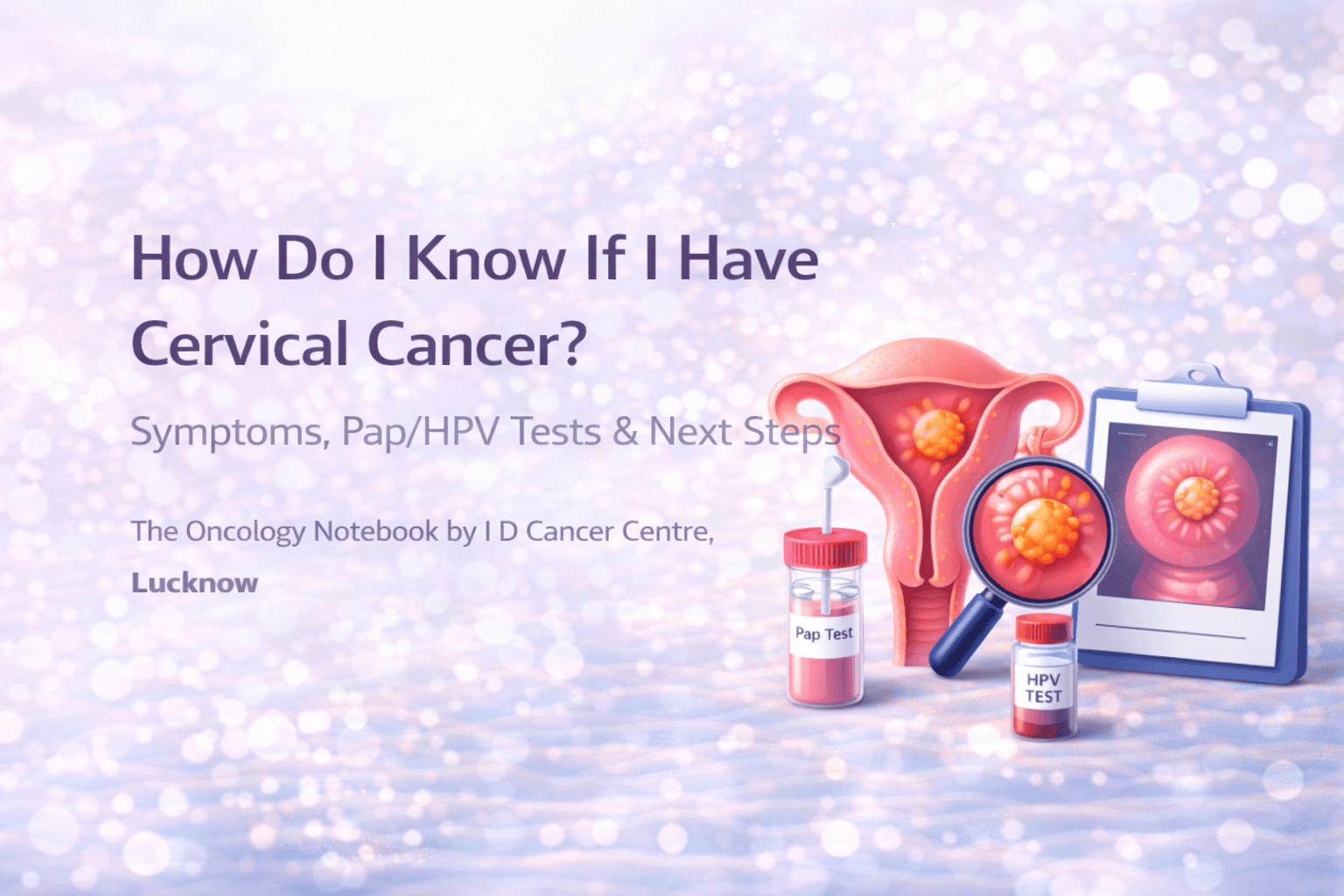
Many women worry, “How will I know if I have cervical cancer?” The most important fact is this: early cervical cancer often causes no symptoms. That is why screening (Pap test and/or HPV test) is so important. When symptoms do appear, they can overlap with common conditions like infection, fibroids, or hormonal changes—so the safest approach is to recognize warning signs early and get the right tests promptly.
This guide explains:
Common symptoms and urgent red flags
Who is at higher risk
Screening tests (Pap and HPV) and what results mean
How doctors confirm diagnosis (colposcopy + biopsy)
When to seek urgent care
What to do next
1) What is cervical cancer?
The cervix is the lower part of the uterus that opens into the vagina. Most cervical cancers are linked to persistent infection with high-risk Human Papillomavirus (HPV). HPV is common; most infections clear naturally. Cancer risk increases when high-risk HPV persists for years and causes pre-cancer changes.
2) Common symptoms of cervical cancer
A) Abnormal vaginal bleeding (most important symptom)
This may include:
Bleeding between periods
Bleeding after sex (post-coital bleeding)
Bleeding after menopause
Periods that become heavier or longer than usual
B) Unusual vaginal discharge
Persistent watery discharge
Foul-smelling discharge
Discharge mixed with blood
C) Pelvic pain or pain during sex
Deep pelvic pain
Pain during intercourse (dyspareunia), especially if persistent
D) Pain or difficulty in urination (later or advanced cases)
Burning, frequency, or blood in urine
Back pain or leg swelling can occur in advanced disease (not common early)
Note: These symptoms can occur due to infection or other benign causes. The key concern is persistence, progression, and high-risk bleeding patterns.
3) “Red flags” — when to see a doctor urgently
Seek evaluation without delay if you have:
Bleeding after sex
Bleeding after menopause
Bleeding between periods that persists
Persistent foul-smelling or blood-stained discharge
Pelvic pain that is persistent or worsening
Unexplained weight loss, severe fatigue, or leg swelling (late signs)
4) Who is at higher risk?
Major risk factors
Persistent high-risk HPV infection
Early sexual activity and multiple partners (risk relates to HPV exposure)
Partner with multiple partners (increases HPV exposure)
Smoking (weakens local immunity)
Weakened immune system (HIV, long-term immunosuppression)
Not getting regular screening (Pap/HPV tests)
Important reassurance
Cervical cancer is often preventable through:
HPV vaccination
Regular screening
Treatment of pre-cancer lesions
5) Why screening matters (because early cancer may be silent)
Many women feel fine and still have:
HPV infection
Cervical pre-cancer (CIN)
Early cervical cancer
That’s why doctors recommend screening even when there are no symptoms.
6) Pap test vs HPV test: what they do
Pap test (Pap smear)
Looks for abnormal/pre-cancer cells on the cervix
Helps detect pre-cancer before it becomes cancer
HPV test
Detects high-risk HPV types that can lead to cervical cancer
Can identify risk earlier, even before cell changes occur
Many screening programs use:
Pap alone, or
HPV test alone, or
Co-testing (Pap + HPV)
Your doctor will advise based on age, history, and availability.
7) If Pap/HPV is abnormal—does that mean cancer?
Not necessarily. Abnormal screening can mean:
HPV infection that needs follow-up
Pre-cancer changes (CIN) that are treatable
Sometimes inflammation or infection
The next step is usually colposcopy.
8) How doctors confirm or rule out cervical cancer
Step 1: Gynecologic exam
A doctor examines cervix and may do a speculum exam.
Step 2: Colposcopy
Step 3: Biopsy (final confirmation)
Biopsy confirms whether changes are:
Pre-cancer (CIN)
Cancer, and type of cancer
Sometimes additional procedures are done:
Endocervical sampling
Cone biopsy (in selected cases)
9) After diagnosis: staging tests (to plan treatment)
If cancer is confirmed, doctors may advise:
MRI pelvis (common for local staging)
CT/PET-CT (selected cases)
Blood tests and other pre-treatment workup
Treatment planning may involve:
Surgery (early stages in selected cases)
Radiotherapy with chemotherapy (common in locally advanced disease)
10) HPV vaccine: prevention that matters
Vaccination does not replace screening—screening is still important.
11) When to seek emergency care
Go to emergency if you have:
Very heavy vaginal bleeding (soaking pads rapidly)
Dizziness/fainting due to bleeding
Severe abdominal/pelvic pain with fever
12) Frequently asked questions
Is cervical cancer always due to HPV?
Most cases are linked to high-risk HPV, but not every HPV infection becomes cancer.
I have discharge—does that mean cancer?
Usually discharge is due to infection. But persistent foul-smelling or blood-stained discharge needs evaluation.
If I have no symptoms, do I still need screening?
Yes. Early cervical disease can have no symptoms.
Can cervical cancer be cured?
When detected early, cervical cancer is highly treatable. Even in later stages, modern chemoradiation provides good outcomes in many patients.
Next steps at I D Cancer Centre
If you have abnormal bleeding, post-coital bleeding, or an abnormal Pap/HPV report, early evaluation is strongly advised.
