Skip to searchSkip to main content
  • Second Opinion

Second Opinion for Cancer Treatment in Lucknow
Why Take a Second Opinion?

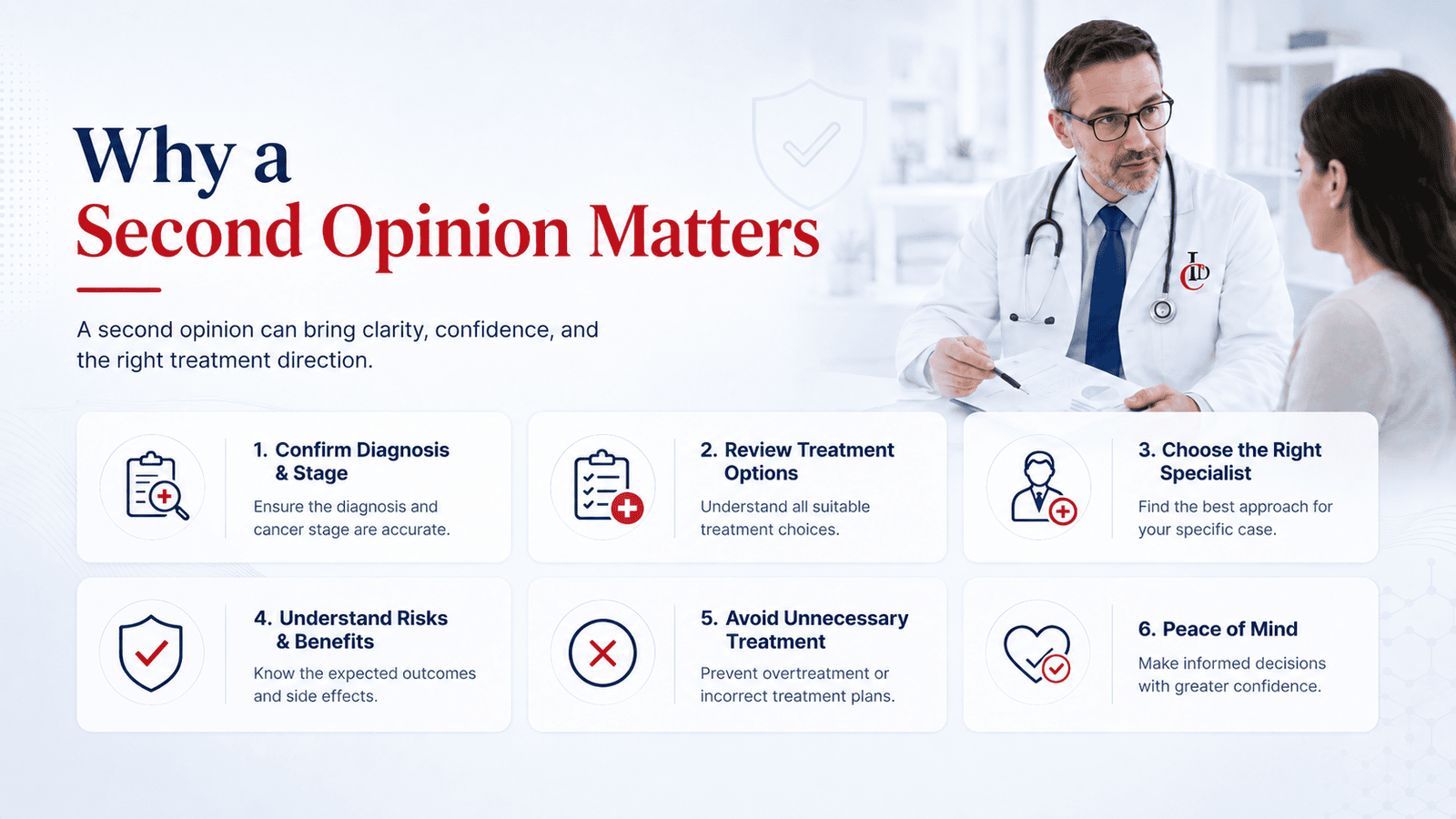
A second opinion is not about distrust—it is about clarity and confidence. It can help you:

  • Confirm the diagnosis (tumor type, stage, grade)

  • Verify the pathology report and imaging interpretation

  • Check if the treatment plan matches guidelines

  • Explore advanced options (VMAT/IGRT, SBRT/SRS, brachytherapy, targeted therapy, immunotherapy)

  • Understand benefits, risks, side effects, and costs

  • Decide whether surgery/chemo/radiotherapy sequence is correct

  • Identify opportunities for organ preservation and quality-of-life focused care

  • Reduce unnecessary tests or overtreatment

  • Plan treatment when there are other medical issues (diabetes, heart disease, kidney disease, etc.)


When Is a Second Opinion Most Useful?

Consider a second opinion if:

  • You are newly diagnosed and unsure what to do next

  • Your doctor recommends major surgery or aggressive treatment

  • You have multiple options (surgery vs radiation, chemo vs immunotherapy, etc.)

  • Your reports show “borderline” findings or uncertain staging

  • The disease has returned (recurrence) or progressed

  • You want to know if you are eligible for modern radiation techniques or new systemic therapies

  • You are not improving on current treatment, or side effects are severe

  • You want to confirm if treatment can be done closer to home with the same outcomes


What We Review in a Cancer Second Opinion

We perform a structured review, typically including:

1) Report Review

  • Biopsy/histopathology report (HPE)

  • IHC markers (if applicable)

  • Tumor markers / blood tests

2) Imaging Review

  • CT/MRI/PET-CT reports (and images, if available)

  • X-ray/ultrasound findings (as relevant)

3) Staging and Risk Stratification

  • Clinical stage (TNM) confirmation

  • Risk category (low/intermediate/high where applicable)

4) Treatment Strategy

  • Curative vs control vs palliative intent

  • Best sequence: surgery, radiotherapy, chemotherapy, immunotherapy

  • Radiation dose/fractionation and technique selection

  • Systemic therapy regimen appropriateness

  • Supportive care plan (pain, nutrition, symptom control)

5) Clear Written Summary (Optional but Recommended)

  • A concise, patient-friendly plan you can take back to your treating team


Our Second Opinion Services

Second Opinion for Radiotherapy (Radiation Oncology)

  • Whether radiotherapy is needed (and when)

  • Best technique: 3DCRT / IMRT / VMAT / IGRT

  • Adaptive radiotherapy when anatomy changes during treatment

  • SBRT/SRS/SRT for selected tumors and metastases

  • Brachytherapy for appropriate cases (e.g., cervix, prostate support where indicated)

  • Planning CT simulation guidance and expected side effects

Second Opinion for Chemotherapy / Targeted Therapy / Immunotherapy

  • Correct regimen choice and timing

  • Biomarker testing needs (EGFR/ALK, HER2, PD-L1, etc. where relevant)

  • Side-effect prevention and monitoring plan

Second Opinion for Surgery and Multidisciplinary Planning

  • Operability, extent of surgery, lymph node strategy

  • When organ-preserving approaches may be possible

  • MDT-style integrated plan (surgery + chemo + radiotherapy)


What You Should Bring (Checklist)

To get the most accurate second opinion, bring:

  • Biopsy report / pathology report (HPE)

  • IHC report (if done)

  • CT/MRI/PET-CT films or CD/pen drive + reports

  • Discharge summaries, prescriptions, treatment sheets (if already treated)

  • Lab reports and comorbidity history (diabetes, BP, heart disease)

  • Any prior radiotherapy plan summary (if applicable)

If you do not have everything, do not worry—our team will guide you on what is essential first.


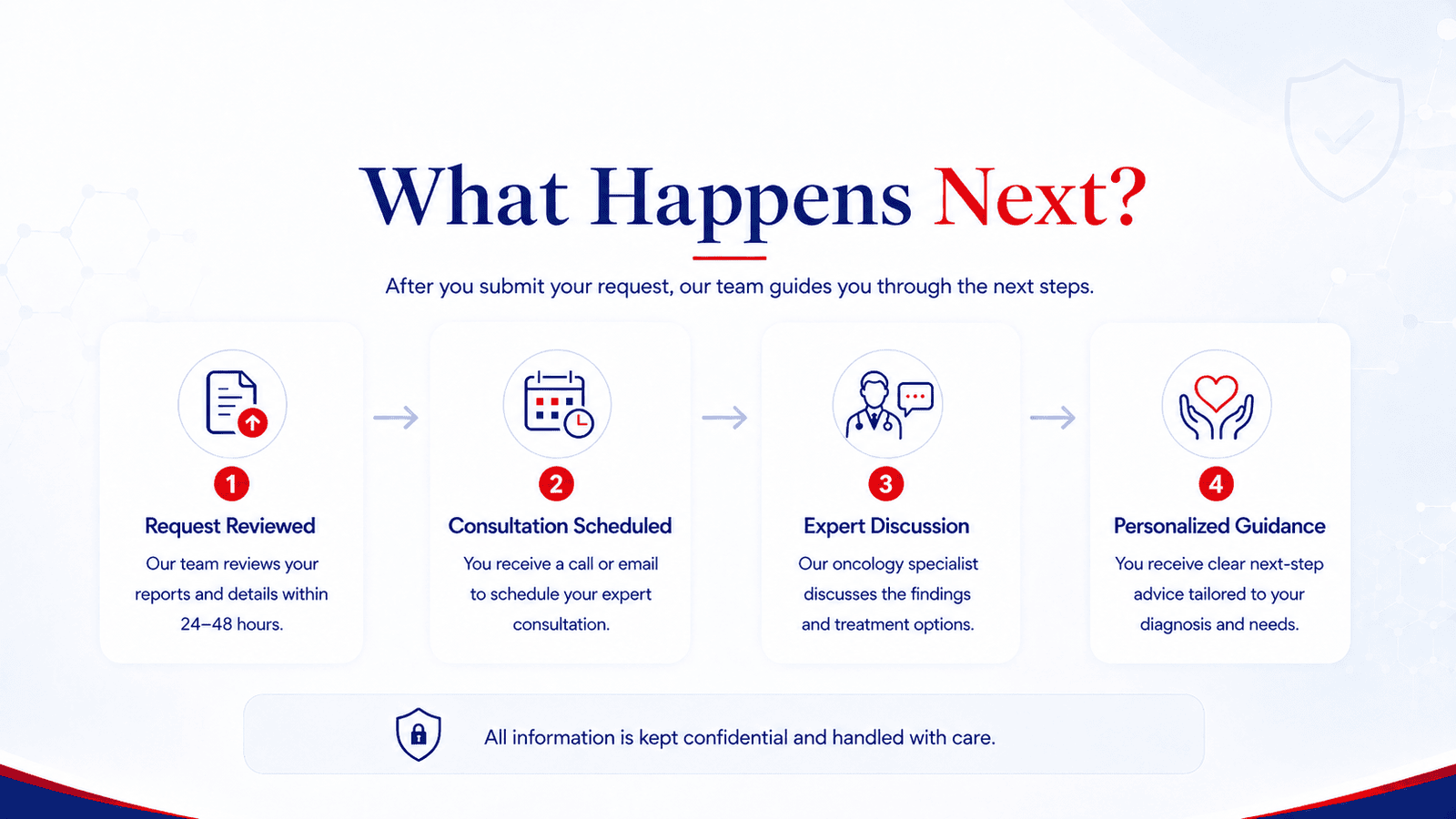
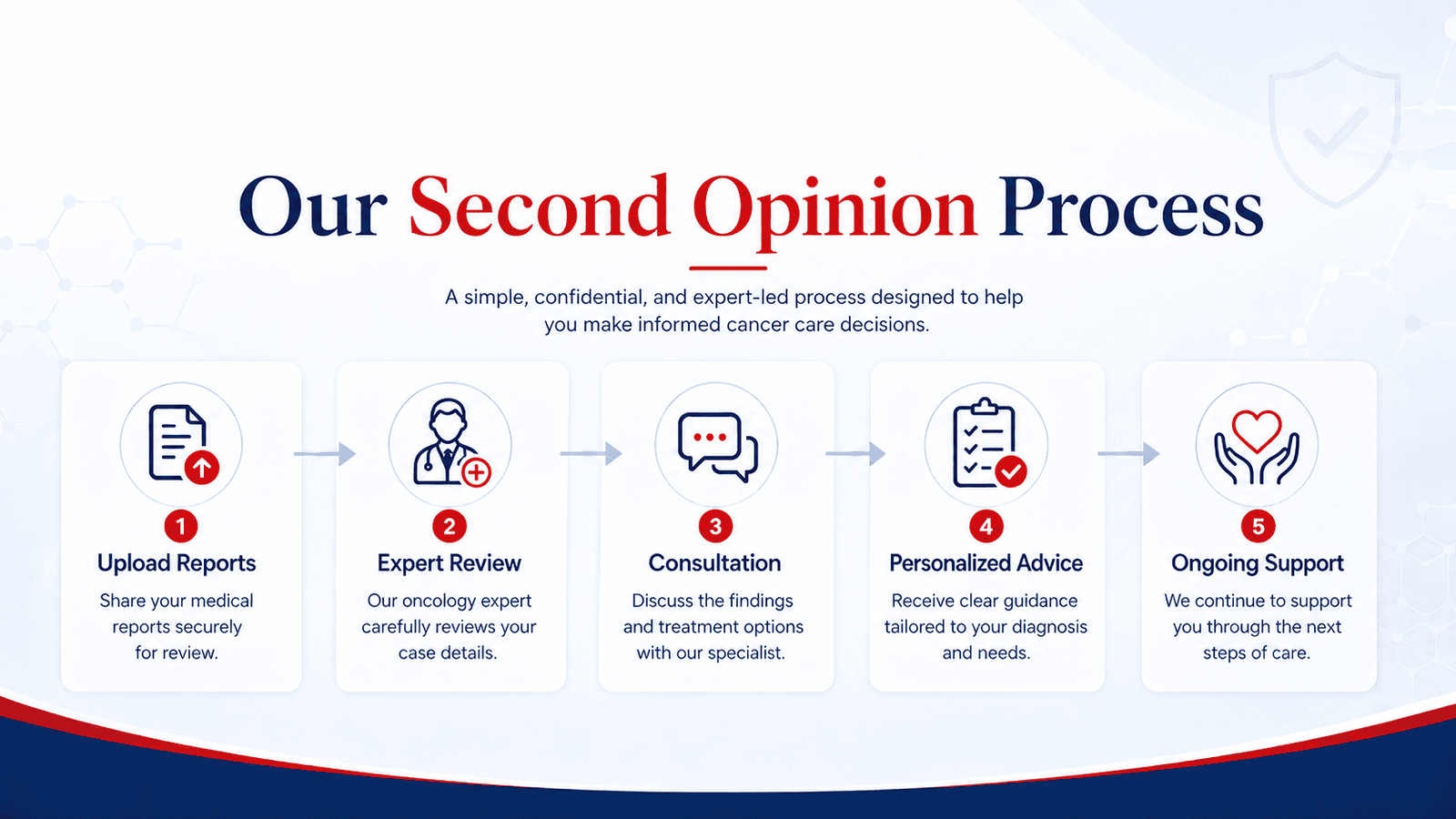
How the Second Opinion Process Works

  1. Appointment Booking (in-person or tele-consultation as available)

  2. Document Upload / Report Submission

  3. Clinical Discussion (symptoms, history, goals, concerns)

  4. Expert Review of reports and imaging (as appropriate)

  5. Treatment Options Explained in simple language

  6. Plan + Next Steps (tests needed, timelines, referrals, treatment start pathway)


Common Questions (FAQ)

Is a second opinion really necessary?

It is strongly recommended when the diagnosis is new, treatment is complex, or major surgery/long chemo/radiotherapy is planned.

Will the second opinion delay treatment?

In most cases, it prevents delays by ensuring the right work-up and correct plan from the start. We keep the process streamlined.

Can you change my diagnosis?

Sometimes pathology or staging interpretation changes after review—this can significantly affect treatment. Even when it does not change, it gives confidence.

Will you coordinate with my current doctor?

Yes—if you want, we can provide a clear written summary you can share with your treating team.


Why Choose I D Cancer Center for Second Opinion?

  • Evidence-based guidance aligned with standard oncology protocols

  • Focus on precision radiotherapy and modern planning approaches

  • Clear explanation of options, side effects, outcomes, and costs

  • Patient-centric approach with respect for your existing treating team

  • Convenient location: Shopping Square-1, Sushant Golf City, Lucknow