
Colonoscopy: The Most Powerful Test to Prevent Colorectal Cancer (Expert View)
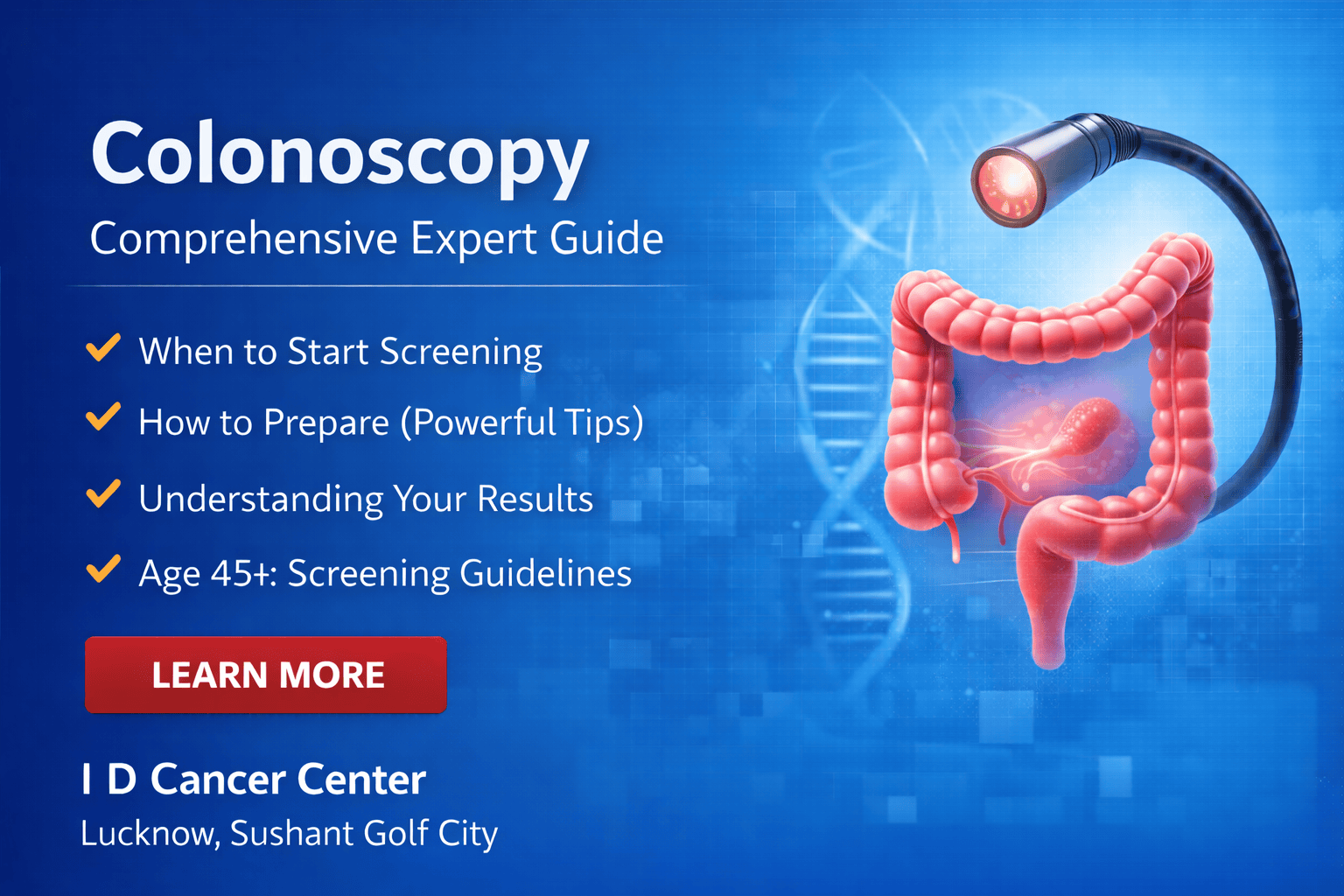
Colorectal cancer (colon + rectal cancer) is one of the most preventable cancers—because most cancers start as polyps(small growths in the lining of the colon). A colonoscopy doesn’t just “detect” cancer early; it can prevent cancer by finding and removing precancerous polyps during the same procedure.
This expert guide explains what colonoscopy is, who should get screened and when, how to prepare properly (the most important part), what your results mean, and when you should seek medical attention.
What is a colonoscopy?
A colonoscopy is an endoscopic procedure where a trained doctor uses a thin, flexible camera (colonoscope) to examine the entire colon and rectum. During the test, the doctor can:
detect polyps, inflammation, bleeding, or cancer
take biopsies
remove polyps (polypectomy) in the same sitting
Most colonoscopies are done with sedation and are typically outpatient procedures.
Why colonoscopy matters: detection + prevention
Many colorectal cancers develop slowly from polyps over years. If polyps are removed early, the pathway to cancer is interrupted. This is why colonoscopy is considered the most comprehensive colorectal screening test and a key prevention tool.
Who should get screened, and at what age?
Guidelines now consistently recommend that average-risk adults start screening at age 45.
Average risk (no symptoms, no strong family history)
Start screening at 45 years
Continue routinely until about 75 years
Ages 76–85: screening is individualized based on health and prior screening history
If your first colonoscopy is normal
A screening colonoscopy is typically repeated every 10 years for average-risk adults.
Who needs earlier screening or a different schedule?
You may need earlier screening if you have:
a first-degree relative (parent/sibling/child) with colorectal cancer or advanced polyps
a personal history of polyps
inflammatory bowel disease (ulcerative colitis or Crohn’s colitis)
hereditary syndromes (e.g., Lynch syndrome, FAP)
A commonly used rule for family history is to begin screening at age 40 OR 10 years before the youngest affected relative’s diagnosis, whichever is earlier (your doctor will personalize this).
Colonoscopy vs other screening tests (FIT, stool DNA, CT colonography)
Not everyone chooses colonoscopy first, and that’s okay—what matters is getting screened.
USPSTF and ACS include several effective options, including:
FIT (stool blood test): yearly
Stool DNA-FIT: every 1–3 years
CT colonography (virtual colonoscopy): every 5 years
Flexible sigmoidoscopy: every 5 years
Colonoscopy: every 10 years
Important: If any non-colonoscopy screening test is positive, you still need a diagnostic colonoscopy to confirm and treat (e.g., remove polyps).
The most important part: bowel preparation (prep)
A colonoscopy is only as good as the bowel prep. Poor prep can hide polyps and may require repeating the procedure sooner.
Typical prep steps (your doctor may modify this)
Low-fiber/low-residue diet for 1–3 days (case-dependent)
Clear liquid diet the day before
Laxative bowel cleansing (commonly “split-dose”)
Stop liquids based on your sedation policy (follow your endoscopy unit’s instructions)
Why “split-dose” prep is preferred
Split-dose prep (part the evening before + part early morning of the procedure) improves cleansing quality and detection in many protocols. Major GI societies support split dosing and timing the last dose close to the procedure window while maintaining appropriate fasting.
Do not adjust medicines on your own. Blood thinners, diabetes medicines, and iron tablets often need special instructions—your doctor will guide you.
What happens during the procedure?
Typical workflow:
Pre-checks (history, vitals, consent)
IV line and sedation
Scope exam of the colon
Polyp removal/biopsy if needed
Recovery observation, then discharge with instructions
Most patients do not remember the procedure because of sedation.
Safety and risks (balanced, expert view)
Colonoscopy is generally safe, but like any procedure it has risks.
Colonoscopy risks can include:
reaction to sedation
bleeding (especially after polyp removal)
perforation (tear in the colon wall), rare
For colonoscopy with polypectomy, the most significant complications are bleeding and perforation, but incidence is generally low in large series and depends on polyp size, technique, and patient factors.
Your doctor will discuss your personal risk profile (age, comorbidities, blood thinners, prior surgeries).
Understanding your results
After colonoscopy, you typically get:
a procedure summary (what was seen)
whether any polyps were removed
biopsy/histopathology report later (if tissue was taken)
your recommended next screening/surveillance interval
If polyps are found
The next colonoscopy interval may be shorter than 10 years, depending on:
number of polyps
size
histology (adenoma vs serrated lesions)
- degree of dysplasia(These intervals follow surveillance guidance and are individualized.)
What to expect after colonoscopy
Common, mild symptoms:
bloating or gas cramps for 1–2 days
mild drowsiness (sedation effect)
small spotting of blood, especially if a polyp was removed (can be normal)
Same-day precautions
Do not drive or sign major documents for 24 hours after sedation (arrange an attendant)
Follow diet and medication advice given by your endoscopy team
Seek urgent help if you have:
heavy rectal bleeding or clots
severe/worsening abdominal pain
- fever, fainting, persistent vomitingThese may suggest rare complications and require immediate evaluation.
Symptoms that should NOT be ignored (even if you’re under 45)
If you have any of the following, you may need diagnostic evaluation (not routine screening):
blood in stool or rectal bleeding
persistent change in bowel habits
unexplained anemia, weight loss
persistent abdominal pain
Screening is for people without symptoms; symptoms require assessment.
Colonoscopy at I D Cancer Center: our patient-first approach
At I D Cancer Center, we aim for high-quality, guideline-aligned screening and diagnosis, with:
risk-based screening advice (average vs high-risk)
clear counseling on test choices (FIT vs colonoscopy vs CT colonography)
prep optimization (because detection depends on it)
coordination for biopsy results and next-step planning
referral pathway for oncology care when needed
